
Choosing the Right Siding: Pros and Cons of Hardie Board, LP Board, and Alside Ascend Vinyl Siding


When it comes to updating your home's exterior, siding plays a huge role in both curb appeal and protection. But with so many options available, it can be tough to decide which siding material is best for your home. Today, I want to walk you through the pros and cons of three popular siding types: Hardie board siding, LP board siding, and Alside Ascend vinyl siding. I’ll also cover the maintenance each requires and help you understand how they compare in terms of cost. By the end, you’ll have a clearer picture of which siding might be the perfect fit for your home.
Understanding Hardie Board Siding: Durability Meets Style
Hardie board siding, often called fiber cement siding, is a favorite for homeowners who want a durable, long-lasting exterior. It’s made from a mix of cement, sand, and cellulose fibers, which gives it a solid, sturdy feel.
Pros:
Durability: Hardie board is highly resistant to fire, rot, and insects. It stands up well to harsh weather conditions like wind, hail, and heavy rain.
Aesthetic versatility: It comes in a variety of textures and colors, mimicking the look of wood without the maintenance headaches.
Longevity: With proper care, Hardie board siding can last 30 to 50 years or more.
Cons:
Installation complexity: It’s heavier and harder to cut than other siding materials, so professional installation is usually necessary.
Maintenance: While it resists many common issues, it still needs to be painted every 10-15 years to keep it looking fresh and to protect it from moisture.
Cost: Typically, Hardie board siding is the most expensive option among the three we’re discussing today.
Hardie board is a solid choice if you want a siding that combines beauty with toughness and are willing to invest in professional installation and occasional repainting.
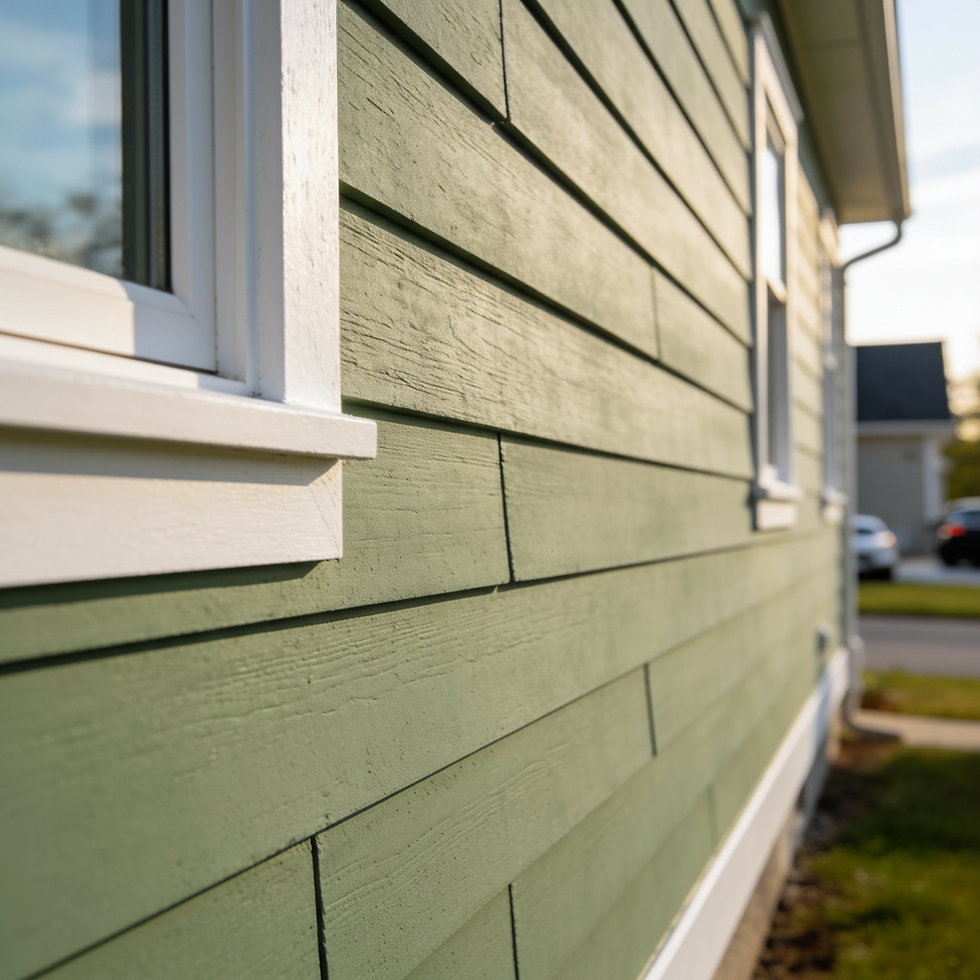
Close-up view of Hardie board siding texture on a house exterior
LP Board Siding: A Durable Wood Alternative
LP board siding is made from engineered wood products, designed to offer the look of traditional wood siding but with enhanced durability. It’s a popular choice for those who want the charm of wood without the high maintenance.
Pros:
Appearance: LP board siding has a natural wood grain texture that adds warmth and character to any home.
Durability: It’s treated to resist termites, fungal decay, and moisture damage.
Installation: Easier to cut and install than Hardie board, which can reduce labor time.
Cons:
Maintenance: Like real wood, LP board siding needs to be painted or stained every 5-10 years to maintain its protective finish.
Susceptibility: While treated, it can still be vulnerable to moisture if not properly maintained, which can lead to swelling or warping.
Cost: LP board siding usually falls in the middle price range, less expensive than Hardie board but more than vinyl.
If you love the look of wood and want a siding that’s easier to work with than fiber cement, LP board siding is a great option. Just be prepared for regular upkeep to keep it looking its best.
Alside Ascend Vinyl Siding: Low Maintenance and Versatile
Vinyl siding has long been a go-to for homeowners seeking an affordable, low-maintenance exterior. Alside Ascend vinyl siding is a premium option in this category, offering enhanced durability and a wide range of styles.
Pros:
Low maintenance: Vinyl siding doesn’t need painting or staining. A simple wash with soap and water a couple of times a year keeps it clean.
Variety: Alside Ascend comes in many colors and textures, including options that mimic wood grain.
Installation: Lightweight and easy to install, which can reduce labor costs and time.
Durability: Resistant to rot, insects, and fading.
Cons:
Susceptibility to damage: While durable, vinyl can crack or chip if hit hard enough, and extreme temperatures can cause it to warp.
Appearance: Some homeowners feel vinyl siding doesn’t have the same upscale look as fiber cement or engineered wood.
Cost: Typically, vinyl siding is the most affordable option of the three.
Vinyl siding is perfect if you want a hassle-free exterior that looks good and requires minimal upkeep. It’s especially appealing for busy homeowners who want to avoid regular painting or staining.

Eye-level view of a house exterior with Alside Ascend vinyl siding in a neutral color
Comparing Maintenance Needs for Each Siding Type
Maintenance is a key factor when choosing siding. Here’s a quick breakdown of what you can expect for each:
Hardie board siding: Requires repainting every 10-15 years. You should also inspect for cracks or chips and clean the siding annually to prevent dirt buildup.
LP board siding: Needs painting or staining every 5-10 years. Regular inspections for moisture damage and cleaning are important to keep it in good shape.
Alside Ascend vinyl siding: Minimal maintenance. Just wash it with soap and water once or twice a year. Check for any cracks or loose panels after storms.
Understanding these maintenance requirements can help you pick a siding that fits your lifestyle and how much time you want to spend on upkeep.
Ranking the Siding Options by Typical Cost
While I won’t get into specific pricing, it’s helpful to know how these siding types generally rank in terms of expense:
Hardie board siding - Usually the most expensive due to material cost and installation complexity.
LP board siding - Mid-range cost, balancing material and installation expenses.
Alside Ascend vinyl siding - Typically the most affordable option, with lower material and labor costs.
Keep in mind that investing in quality siding can pay off in durability and curb appeal, so it’s worth considering the long-term benefits alongside upfront costs.
Finding the Best Siding Solution for Your Home
Choosing the right siding is a big decision. It affects your home’s look, protection, and maintenance for years to come. That’s why I recommend working with experts who can guide you through the options based on your home’s style, your budget, and your maintenance preferences.
At Comfort Home Improvements, we meet with homeowners to discuss their needs and help find the best siding solution. Whether you want the rugged beauty of Hardie board, the classic look of LP board, or the easy care of Alside Ascend vinyl siding, we’re here to make the process simple and stress-free.
Ready to explore your siding options? Schedule a consultation with us today at Comfort Home Improvements and let’s find the perfect siding for your home.
Choosing the right siding doesn’t have to be overwhelming. With the right information and support, you can make a confident choice that enhances your home’s beauty and protection for years to come.


Comments